1. what is a blade server?
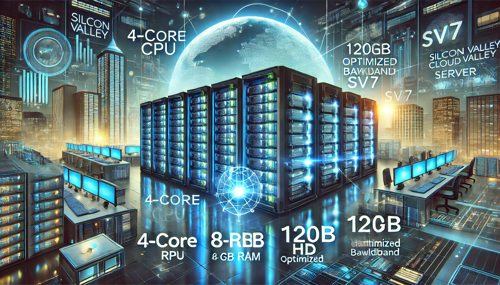
a blade server is a high-density server architecture that consists of multiple blades (or server modules) that are plugged into a chassis that provides power, cooling, and network connectivity. the design of blade servers allows data centers to achieve higher computing power and storage capabilities in limited space. compared with traditional tower or rack-mounted servers, blade servers provide better space utilization and more centralized management.
2. what are the application cases of blade servers in the united states?
in the united states, blade servers are widely used in various industries, especially in data centers and cloud computing service providers. for example, a well-known cloud service provider uses blade servers to support its large-scale virtualization platform, which can quickly deploy and expand computing resources. in addition, some financial institutions also use blade servers to process large amounts of transaction data to ensure efficient operations and fast response times. the medical industry is also gradually adopting blade servers to quickly store and process patient data.
3. what are the advantages of blade servers compared to other servers?
the advantages of blade servers are mainly reflected in the following aspects: first, space saving. since multiple blades can be concentrated in a single chassis, blade servers can provide more computing power in a limited space. the second is high energy efficiency. the design of blade servers makes cooling and power management more efficient, thereby reducing overall energy consumption. thirdly, blade servers perform well in terms of management convenience. the centralized management interface allows operation and maintenance personnel to monitor and maintain servers more conveniently. in addition, blade servers are highly scalable, and users can quickly increase or decrease the number of blades according to needs to adapt to business changes.
4. how can the specific application of blade servers in data centers improve efficiency?
in data centers, the application of blade servers can significantly improve efficiency. first, the virtualization capabilities of blade servers allow multiple virtual machines to run on the same blade, which can improve server resource utilization. secondly, the centralized management platform allows operation and maintenance personnel to monitor the status of all blades in real time to detect and solve problems in a timely manner. in addition, the modular design of blade servers makes it easier to replace and upgrade hardware, reducing equipment downtime, thereby improving the overall operational efficiency of the data center.
5. what issues should be paid attention to when using blade servers?
although blade servers have many advantages, there are still several issues that need to be paid attention to during use. first of all, the initial investment cost is high, and users need to make reasonable choices based on their own budget. secondly, blade servers have greater cooling and power requirements, and data centers need to ensure they have adequate cooling systems and power supplies. in addition, management complexity is also a factor that needs to be considered. although centralized management of blade servers is convenient, it also requires operation and maintenance personnel to have corresponding technical capabilities. finally, users also need to pay attention to compatibility issues. blade servers from different manufacturers may have compatibility issues in hardware and software, so be careful when choosing.
- Latest articles
- Before Choosing A Hong Kong High-defense Exemption Server, You Need To Pay Attention To Security And Contract Terms
- Experts Recommend Paying Attention To ISP And Routing Issues When Assessing The Speed Of Vietnamese VPS
- Cost Control Tips For Korean CN2 Site Clusters: Bandwidth Billing And Resource Allocation Recommendations
- Common Causes Of Tencent Cloud Singapore Server Failures And Best Practices For Prevention
- Evaluation Of The Capabilities Of Singapore Cloud Server CN2 Service Providers In Supporting Cross-border Business
- Case Study Of Application Of Hong Kong Sha Tin CN2 Console In Game Acceleration And Live Streaming
- Judging From Case Studies Whether US High-defense Servers Are Resistant To Complaints: Complaint Types And Final Handling Results Statistics
- Remote Management Practice: US VPS Windows 2003 Remote Desktop And Permission Configuration Instructions
- Key Points Reflected In The Malaysian Cloud Server Price List Comparing Nodes From Different Regions
- A Guide To Choosing Which Cloud Server To Use In Vietnam To Meet Regulatory Compliance And Data Residency Requirements
- Popular tags
-
Comparing High-defense Servers To Noteworthy Options In The Us Market
this article compares the high-defense servers worth paying attention to in the us market, analyzes their characteristics and advantages, and helps users choose the appropriate server. -

Impact Of Parent Root Server Shutdown On Website Access
this article explores the impact of parent root server shutdown on website access and how to choose an appropriate server solution. -

The Best Way To Find The Best High-defense Server In California
this article will provide you with the best ways to find high-defense servers in california, including reviews, recommendations, and price analysis.