Current Location: Blog >
South Korea server
1.
overview: why choose korean servers and influencing factors
the experience of connecting to a korean server to play hearthstone is affected by many aspects.the first factor is network latency (ping), which often affects the immediacy of operations.
the second factor is bandwidth (uplink/downlink), which affects download patch, voice and live video quality.
the third is the vps/host specifications (cpu, memory, network card), which determines the concurrent connection processing capabilities.
the fourth is cdn and domain name resolution optimization, which can reduce static resource loading time.
the fifth is ddos protection and traffic cleaning capabilities to ensure long-term stable online performance.
2.
basic data on network latency and bandwidth (for hearthstone)
hearthstone is a turn-based card game, and its real-time requirements are lower than fps, but it still needs stable latency.ideal ping reference: local to seoul node should be ≤50ms, ≤80ms is also acceptable, >150ms will significantly affect the experience.
single device bandwidth requirements: real-time game data is usually very small, and a stable 1–3 mbps can support games and voice.
patch/update and resource download peak periods will consume tens to hundreds of mbps, so it is recommended to reserve bandwidth.
the impact of jitter and packet loss on the connection experience is greater than the peak bandwidth. jitter ≤10ms and packet loss ≤0.5% are optimal.
3.
simultaneous online bandwidth calculation and recommendation for multiple devices (including tables)
calculation principle: total bandwidth = peak demand per device × number of devices + 20% redundancy.additional considerations for voice/live streaming: 720p live streaming is about 2.5–4 mbps; voice calls are about 64–128 kbps/person.
the example table provides common concurrent device scenarios and recommended bandwidth (including uplink requirements).
table example (the values in the table are recommended values, and the units are mbps):
| number of concurrent devices | average bandwidth of a single device | it is always recommended to go down | recommended to go up | remark |
|---|---|---|---|---|
| 1 | 3 | 3 | 1 | single machine is preferred within 50ms. |
| 2 | 3 | 6 + 20% = 7.2 | 2 | contains one voice |
| 5 | 3 | 15 + 20% = 18 | 4 | home/small internet cafe |
| 10 | 3 | 30 + 20% = 36 | 6 | multi-person live broadcast or teaching |
| 20 | 3 | 60 + 20% = 72 | 12 | small game or internet cafe |
in addition, if 720p live broadcast is performed at the same time, each stream will have an additional +3 mbps uplink budget.
4.
server/vps configuration suggestions and real cases
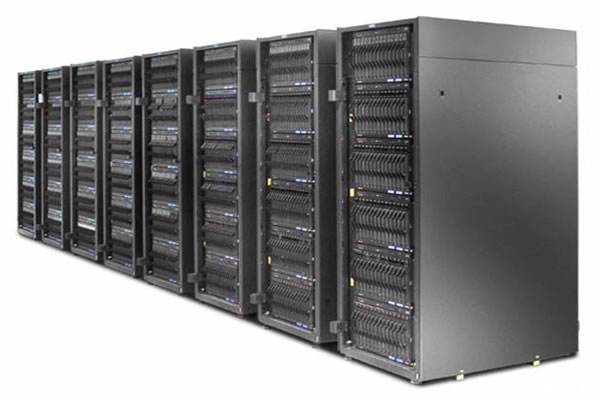
entry vps (fits 1–5 devices): 2 vcpu, 4 gb ram, 50 gb nvme, 100 mbps shared bandwidth.advanced vps (for 5–20 devices): 4 vcpu, 8 gb ram, 100 gb nvme, 300–500 mbps guaranteed bandwidth or 1 gbps ports.
recommended dedicated server (competition/live broadcast computer room): intel xeon e3/e5, 16–32 gb ram, 1 tb nvme, 1 gbps dedicated port, bandwidth sla ≥ 1 gbps.
real case: a domestic anchor tested at a seoul node, using a korean kvm vps (4 vcpu/8 gb/100 gb nvme/500 mbps guaranteed bandwidth). the measured stable ping was ~42 ms, the average iperf3 tcp throughput was 480 mbps, and the live broadcast was 720p without lag.
another case: a small internet cafe uses a dedicated server for local acceleration and dns caching to reduce cdn hit delays and shorten the overall login time by about 15%.
5.
cdn, domain name and ddos protection practical suggestions
cdn purpose: distribute patches, images and static resources to korean nodes to reduce long-distance bandwidth and pull delays.it is recommended to use anycast dns with a multi-node cdn (cloudflare, akamai, tencent cloud cdn, etc.) to improve availability.
domain name resolution: set the ttl appropriately (such as 60–300s) to switch traffic to the backup node.
ddos protection strategy: use upstream cleaning (scrubbing). threshold example: common basic cleaning threshold is 100–300 gbps. for important nodes, it is recommended to use suppliers with tb-level cleaning capabilities.
boundary policy: enable rate limiting, connection tracking timeout adjustment, bgp flowspec and black hole routing (use null route with caution to avoid accidental injury).
6.
operations, monitoring and optimization steps (including test data examples)
do a baseline test before going online: use iperf3 to measure bandwidth. the goal is to achieve stable throughput of more than 90% of the bandwidth port. example: iperf3 tcp 480 mbps, udp packet loss <0.2%.latency and jitter measurement: continuously ping the seoul node 100 times, the average ping=42 ms, and the jitter (standard deviation) is about 4.8 ms.
traffic monitoring: deploy prometheus + node_exporter + grafana to display network card throughput, number of connections, packet loss rate, and tcp retransmission rate.
traffic shaping: use tc qdisc (htb/tbf) for uplink speed limiting and priority policies to ensure that game packets are forwarded first.
daily operation and maintenance list: scheduled backup, patch window (off-peak hours), vulnerability scanning, ddos event plan and upstream communication list (isp, cleaning plant, computer room).
- Latest articles
- Innovative Model Taiwanese Server Odm Manufacturer Cloud Space’s Successful Practice In Customized Hardware
- How To Judge The Difference Between Xiaomi 4 Japan Serverless Version When Buying A Second-hand Mobile Phone
- Vietnam Server Reliable Website Cross-border Network Quality Test And Node Distribution Reference
- How To Reduce Business Interruption And Recovery Time After A Server Fire In Singapore Through Drills
- Which Is The Best Cloud Server In Vietnam? Region Selection Strategy And Node Fault Tolerance Practical Sharing
- Cost Control: Optimization Method For Data Transmission Costs From Vietnam Cloud Server To Mainland China
- Three Networks Cn2 Malaysia’s Future Trend Prediction And Analysis Of The Impact On Enterprise Network Architecture
- After Comparing Domestic And Foreign Routes, Why Do We Recommend Vietnam Cn2 Vps For International Export?
- How To Use Vietnam Native Ip Vps To Build A Stable Testing Environment And Automated Crawling Platform
- Recommended Platform Korean Native Ip Query Url Collection Of Several Trustworthy Online Tools
- Popular tags
Hong Kong Native Ip Station Group
Hong Kong's New High-defense Server
Ssr
High Availability Architecture
Ip Query Tool
Free Server
Gcp
Connectivity Delay
Vps Optimization
Server
Premium Choice
Speed
Economy
Hong Kong High Defense Vps
Ddos
Value Analysis
100g High Defense
Ddos Defense
Difference
Media Distribution
Hong Kong Ip
Server Settings
Access Delay
Alibaba Cloud Hong Kong
Quality Service
Tencent Light Cloud
Intellectual Property
Advantages
Hong Kong VPS CN2 High Defense Server
Technical Choices
Related Articles
-

For Corporate Procurement Purposes, Considering The Cost Of Korean Original IPs, How Should One Choose The Appropriate Bandwidth And Duration?
A guide for enterprises purchasing Korean-native IPs, explaining key considerations regarding price ranges, bandwidth, and duration options. This guide also takes into account technical factors such as servers, VPSs, hosting, domain names, CDN, and advanced anti-DDoS solutions, and provides steps for the purchasing process along with recommendations for suppliers. -

How To Join A Korean Support Site Group To Increase Your Support
increase your support by joining the korean support site group and learn how to choose the right server and network technology. -

Stress Testing, Monitoring Strategies And Sla Inspection Indicators Before Renting A Korean Server Group
before renting a korean server, how to perform stress testing, establish monitoring strategies and examine sla indicators, including practical suggestions on load testing tools, network and ddos protection, backup and recovery, domain name and cdn configuration, etc.