1. before deploying a server in singapore, please determine the scenario: is it cloud (aws/azure/gcp ap-southeast-1/sea) or computer room rental? the cloud platform provides basic security tools (vpc, sg, kms), and the computer room needs to deploy its own protective equipment. list business types (personal data/corporate confidential/financial/medical) to determine compliance and encryption levels.
2. steps: 1) determine the region (ap-southeast-1, etc.) and availability zone; 2) select instance specifications and network bandwidth; 3) enable default encryption (ebs/sse) on the cloud; 4) for the computer room, ask for cabinet security documents and soc/iso certificates; 5) require the other party to provide sla, physical security, and personnel background review certificates before purchasing.
3. operation guide: 1) establish a vpc/private network and divide the subnet into public network/private network; 2) configure security group/firewall rules, deny inbound by default, and open only necessary ports (ssh/https); 3) deploy waf (cloud waf or modsecurity); 4) enable ddos protection (cloud vendor ddos protection or third party); 5) configure nat gateway, springboard machine and lock the source ip.
4. linux practical operation: 1) update and enable automatic updates: sudo apt update && sudo apt upgrade; install unattended-upgrades; 2) disable root remote login: edit /etc/ssh/sshd_config, set permitrootlogin no, passwordauthentication no, restart sshd; 3) configure public key login and restrict user sudo permissions; 4) install and configure fail2ban; 5) execute and record each item with reference to the cis baseline.
5. steps: enable kms-managed disk encryption (aws kms/gcp cmek/azure key vault) on the cloud; the computer room can use luks encryption: example command cryptsetup luksformat /dev/sdb; cryptsetup open /dev/sdb data && mkfs.ext4 /dev/mapper/data; back up the key and upload it to the key management system, and rotate the key regularly.
6. operation guide: 1) develop rto/rpo; 2) enable automatic snapshot strategy on the cloud (by day/week/month); 3) use cross-region backup to prevent regional failure (such as copying to ap-southeast-2 or local computer room); 4) test the recovery process, conduct recovery drills every quarter and record time consumption and problems.
7. implementation steps: 1) centralize logs (rsyslog/fluentd -> elasticsearch/splunk); 2) configure auditing (auditd) to record key operations (sudo, ssh login, configuration changes); 3) establish alarms (cpu, abnormal login, multiple failures) and configure notifications; 4) determine the log retention period (compliance is at least 1 year or in accordance with pdpa requirements), and set up read-only archives.

8. compliance practices: 1) appoint a data protection officer and register data processing activities; 2) conduct data classification and dpia (data impact assessment); 3) implement least privileges and access approval processes; 4) write data retention and destruction policies (automated destruction scripts/audit records); 5) confirm with legal counsel whether data localization or cross-border transfer contract clauses (scc) are required.
9. recommended practices: 1) use iac (terraform) to manage networks and instances; 2) use ansible/puppet/chef for system configuration to avoid manual differences; 3) put keys and credentials in vault/kms and implement short-term credentials; 4) add security scans (sast/dependency scan) to ci/cd and block high-risk items before merging.
10. execution steps: 1) regular scans (nessus/openvas); 2) conduct basic penetration testing or third-party red team assessment before each launch; 3) establish a vulnerability management process: discovery -> assessment -> grading -> repair -> regression verification; 4) set an emergency response window for important patches and notify the business impact.
11. question: are singapore servers suitable for storing sensitive personal/corporate data?
12. answer: suitable, but compliance and technical guarantees are required: confirm pdpa and industry regulatory requirements, enable encryption (transmission & static), audit and access control, data localization or contract guarantee. if cross-border access requires signing of a compliance contract and recording access logs.
13. question: how to ensure that the server in singapore passes the compliance audit?
14. answer: prepare materials: dpia, dpo appointment, access control list, log retention certificate, backup and recovery certificate, encryption and key management instructions, third-party audit report (soc2/iso27001), and do a pre-audit self-inspection.
15. question: if the business needs cross-border access to singapore data, how will it be technically and contractually guaranteed?
16. answer: technically, use vpn/dedicated line, minimum permissions and mfa, access logs and encryption; legally, use data processing agreement, scc or local equivalent terms and write them into the terms of service, and regularly review and record consent and processing purposes.
- Latest articles
- How To Save Money On Singapore VPS Vouchers Through Events And Promotions
- In Marketing And Data Scraping Scenarios, What Is The Most Appropriate Analysis Of Korean Native IP Proxies?
- Procurement References Korean Server Names, Quickly Filtering Brands From Supplier Catalogs
- Technical Implementation Detailed Steps For Binding And Routing Taiwan's Native Static Residential IPs
- Vietnam VPS Independent Server Long-term Maintenance Costs And Recommended Automated Operation And Maintenance Tools
- Optimization Suggestion: Storage Archiving And Resource Management Solution Under US VPS For Unlimited Content
- How To Purchase Gouyun Servers In Vietnam And Complete The Fast Launch Process
- How Is Japan's CN2 From An Operations And Maintenance Perspective? Recommendations For Handling Node And Routing Faults
- Hong Kong Cheap VPS Speed Review: Actual Bandwidth Peak And Stability Report
- Key Points Regarding Security Qualifications And Contract Terms For Companies That Can Choose Taiwanese Cloud Servers
- Popular tags
-

Advantages And Selection Guide Of Singapore Cloud Server In Southeast Asia
this article will explore the advantages of singapore cloud servers in southeast asia and provide a selection guide to help you make an informed decision among the many services. -

Performance Evaluation Of Singapore Mengfei Server In Dota Auto-chess
evaluate the performance of singapore mengfei server in dota auto-chess and analyze its technical parameters, actual cases and performance data. -
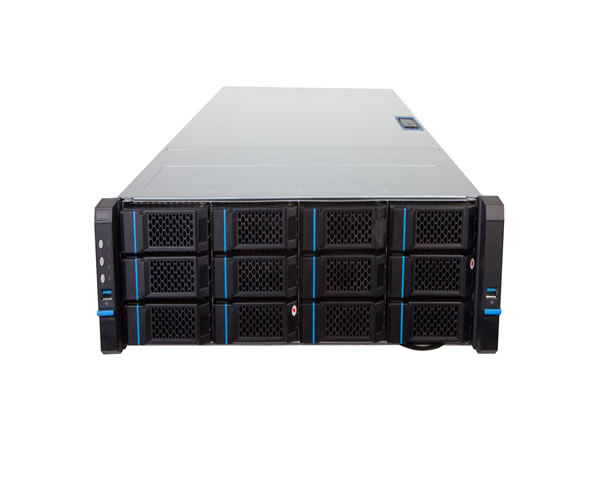
How To Choose The Most Cost-effective Singapore Native Server Model And Supplier Recommendations
for enterprises and developers, it focuses on how to choose the most cost-effective singapore native server, including five major questions and detailed answers on hardware parameters, network and bandwidth, common model recommendations, supplier selection and cost optimization strategies.